No Guesswork. Just Happy Plants.
The Ultimate Plant Guide: Which Window is Best?
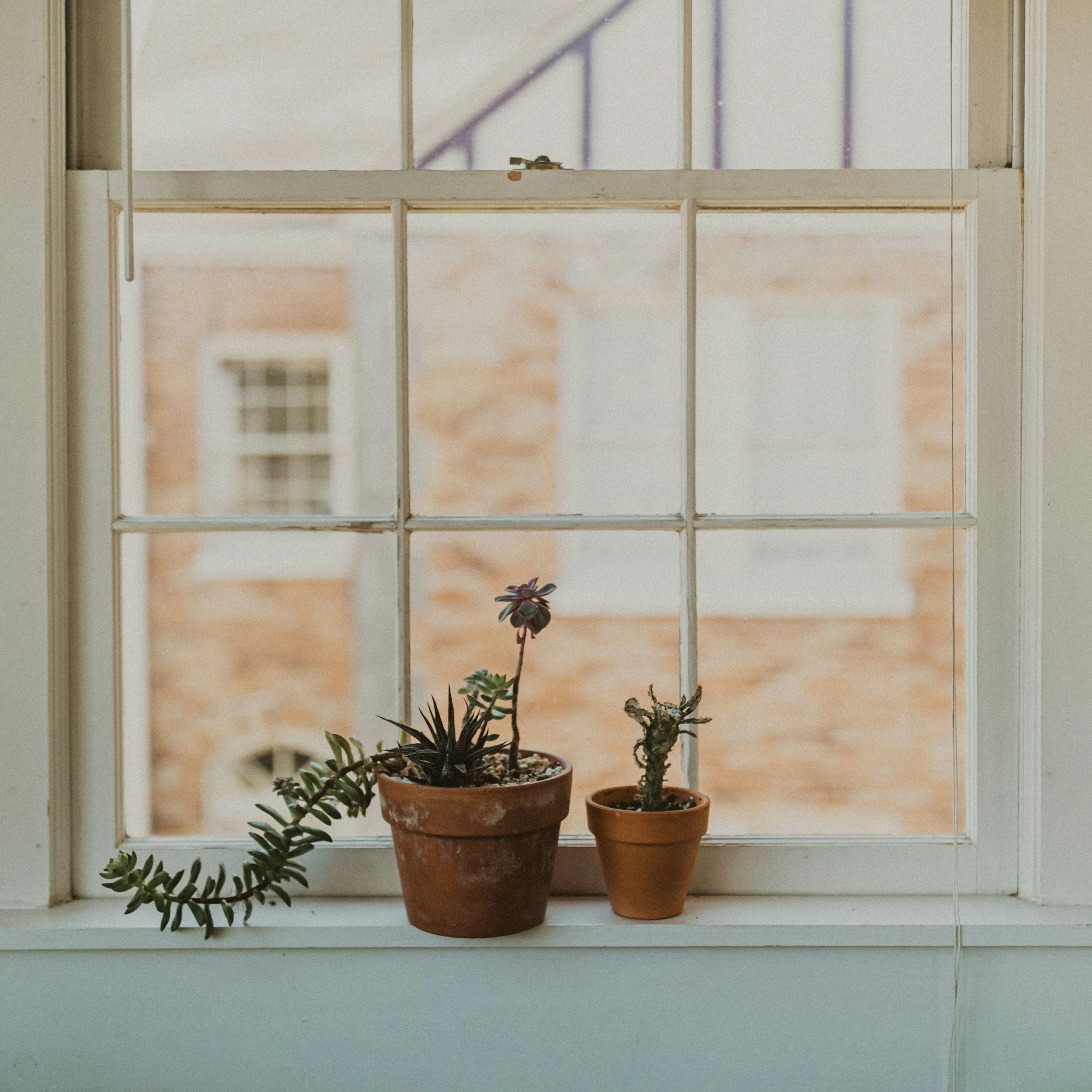
☀️ Not all windows are created equal! Here, in the northern hemisphere, South-facing windows provide the brightest, most intense light — perfect for tropical sun-lovers like the Bird of Paradise. North-facing windows offer weak, low indirect light. East windows give gentle morning sun, while West windows bring hot, strong afternoon rays.
Frequency vs. Amount: How to Master Soil Moisture
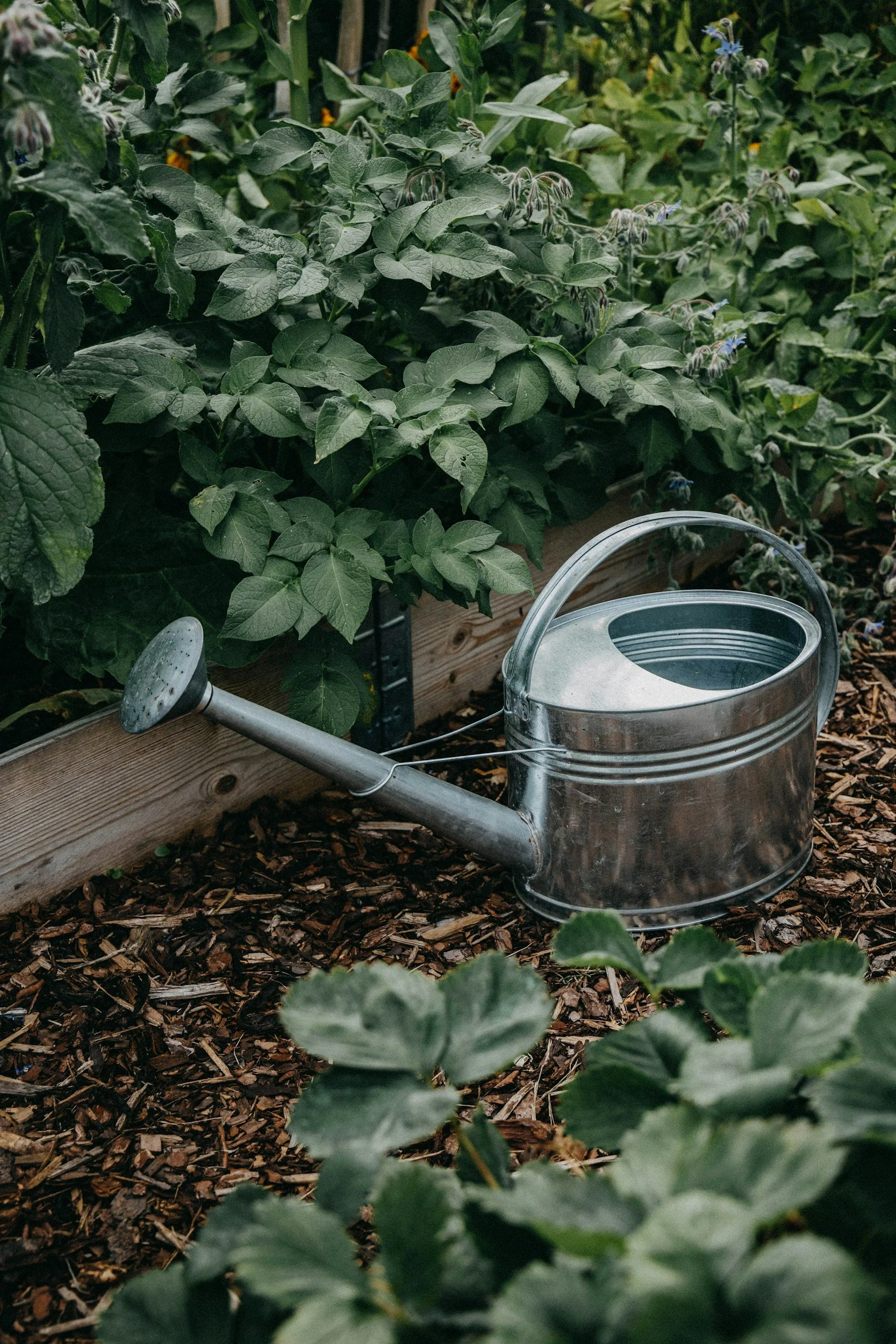
💧 Overwatering isn't about giving a plant too much water at once; it's about watering too frequently. When soil stays constantly wet, roots sit in stagnant water, starve of oxygen, and begin rotting within 24 to 48 hours. Forget a rigid calendar schedule. Always push your index finger two inches deep into the soil. If it feels damp or sticky, don't water yet!
Big-Box vs. Custom Soils: Why Aeration Matters
🌱Our long, northern winters mean low sun and short days. When light levels drop, houseplants naturally slow their growth and "drink" water much slower. If they are sitting in dense big-box store soil during a dark Maine January, that soil stays soggy for weeks, creating a danger zone for root rot. A chunky, highly aerated soil mix is essential in Maine because it allows excess water to drain away instantly, protecting your plants even when the sun hides for days.
Recommended Reading
We believe in transparent, research-backed information.
Here are our absolute favorite, most trusted resources for expert
horticultural guides, soil science, and troubleshooting:
⸙ The University of Maine Cooperative Extension - Growing, managing, and caring for greenery in Maine’s climate.
⸙ The Royal Horticulture Society (RHS)- Globally trusted, botanical profiles and detailed species requirements.
⸙ Stumps Plant Journal - A simple but diverse guide that explains potting techniques, soil science, and root care.
⸙ Colorado State University Ext. - A peer-reviewed guide for identifying and naturally controlling indoor bugs